
Combine Kenya & Tanzania on Self Drive- East Africa Safari Tour.
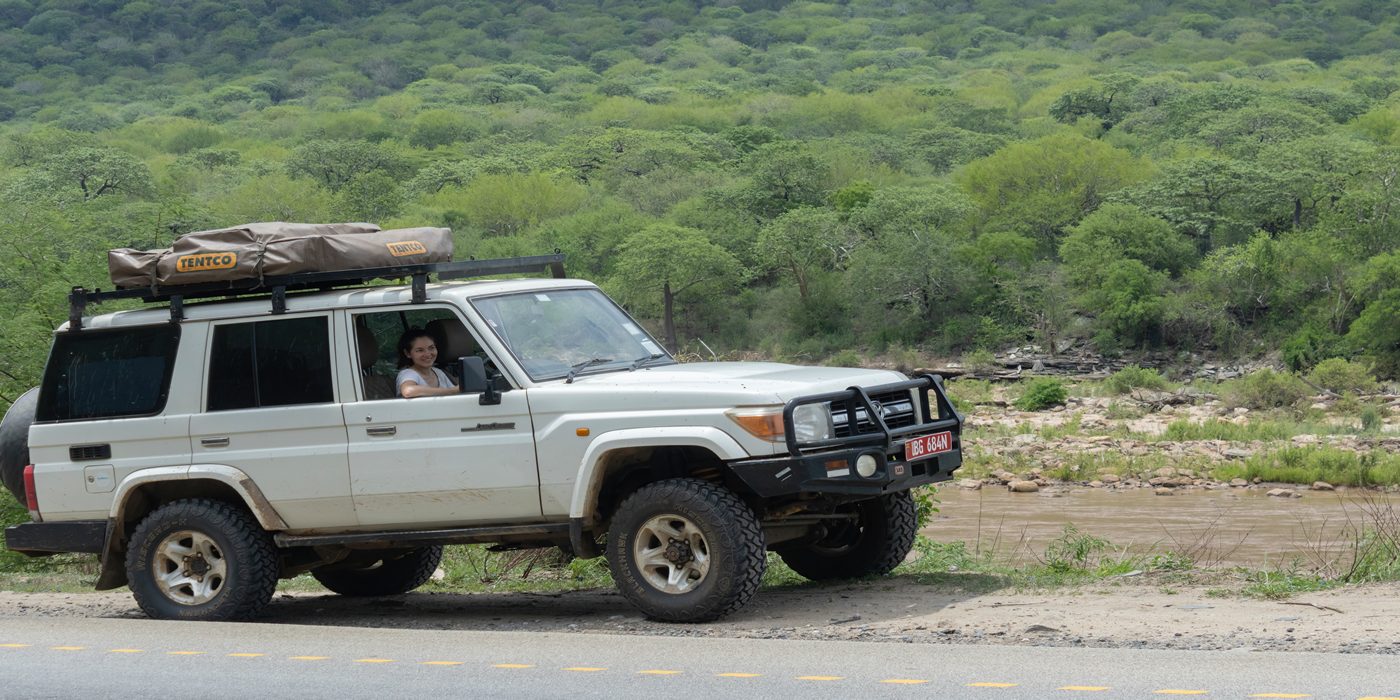
Kenya and Tanzania are best known for wildlife watching safaris in East Africa unlike Rwanda & Uganda that are known for primate trekking experiences for self drive travelers . Kenya and Tanzania Self drive experiences leaves you with the option of Self drive East Africa offering you a Ugandan Registered car for the road trip with in East Africa road trip since Kenya doesn’t allow Tanzanian Registered cars into the National Parks and vice verse for Tanzania. its from the same basis that its hard to drive from Masai Mara Kenya directly to Serengeti in Tanzania even if there is Mara River border that was closed by the two countries and its none operational. Instead, you have to drive around the parks to cross the border via Isibania, and you will enter Serengeti from Western Side of Serengeti and then proceed to central Serengeti.
In this article the team tries to explain why its okey to book a combined Safari in Kenya and Tanzania on Self drive for great Wildlife watching Experiences with Experts in Landcruiser rentals within East Africa and South Africa.
Why Combing Kenya & Tanzania on East Africa Road Trip
Combining Kenya and Tanzania on a self-drive safari is one of the best ways to experience East Africa. Both countries are famous for their wildlife, landscapes, and safari adventures, but each offers something unique. Kenya is known for the Maasai Mara, where you can see lions, cheetahs, elephants, and large herds of wildebeest and zebras. Tanzania is home to the Serengeti, Ngorongoro Crater, Tarangire, and Lake Manyara, offering wide-open plains, volcanic craters, and diverse wildlife.
By visiting both countries, you get to see more animals, different landscapes, and unique natural wonders that you cannot experience in only one country. A self-drive safari gives you freedom and flexibility. You can stop wherever you want, take photographs, and explore at your own pace. You can also follow wildlife movements, such as the Great Migration, across the border, ensuring the best chances to see incredible animal behaviour. Combining Kenya and Tanzania allows you to experience a richer safari adventure, from cultural encounters with local tribes to scenic drives through savannahs, forests, and volcanic areas. In short, a combined self-drive safari creates a fuller, more memorable journey through the heart of East Africa.
This guide will explain in simple English why combining Kenya and Tanzania is a great idea and how it can make your safari unforgettable.
- More Wildlife Diversity
 One of the biggest reasons to combine Kenya and Tanzania is wildlife. Each country has different parks, animals, and experiences. In Kenya, the Maasai Mara is famous for lions, cheetahs, elephants, giraffes, and large herds of wildebeest. The Great Rift Valley has beautiful lakes with thousands of flamingos. In Tanzania, the Serengeti is world-famous for the Great Migration and wide-open plains. The Ngorongoro Crater is home to rhinos and big cats in a unique volcanic landscape. By visiting both countries, you see more animals and a wider variety of species than if you stay in only one country.
Self-driving gives you the flexibility to spend more time in parks where wildlife is abundant. You can start in Kenya and follow the migration of animals into Tanzania. Or you can begin in Tanzania and then drive to Kenya to see big cats and savannah landscapes. Combining both countries ensures you do not miss the best wildlife experiences East Africa has to offer.
- Different Landscapes and Scenery
Kenya and Tanzania offer very different landscapes. Kenya has rolling savannahs, acacia trees, and volcanic mountains. The Maasai Mara is full of golden grasslands, while Amboseli has the famous Mount Kilimanjaro as a backdrop. Lake Naivasha and Lake Nakuru add water landscapes with flamingos and hippos.
Tanzania, on the other hand, has huge plains, volcanic craters, and unique ecosystems. The Serengeti is famous for its endless plains, perfect for seeing wildlife in large numbers. The Ngorongoro Crater is a volcanic wonder, and Tarangire and Lake Manyara have elephants, tree-climbing lions, and flamingos. By combining both countries, you enjoy more types of scenery and landscapes, from lakes and mountains to plains and craters. It makes your safari visually richer and more exciting.
- The Great Migration
One of the most incredible wildlife events in the world is the Great Migration. Millions of wildebeest, zebras, and gazelles move across the plains of Kenya and Tanzania every year. During certain months, the herds are in the Maasai Mara in Kenya. In other months, they are in the Serengeti in Tanzania. If you visit only one country, you might miss the migration. But with a combined trip, you can follow the animals as they move from Tanzania to Kenya or vice versa. This gives you the best chance to witness river crossings, predators chasing prey, and vast herds of animals. For wildlife lovers, following the Great Migration across two countries is a dream safari experience.
- More Safari Parks in One Trip
Kenya and Tanzania each have many parks, but no single country has all the best ones. In Kenya, popular parks include:
- Maasai Mara National Reserve
- Amboseli National Park
- Tsavo East and West National Parks
- Nakuru National Park
- Samburu National Reserve
In Tanzania, top parks include:
- Serengeti National Park
- Ngorongoro Crater
- Tarangire National Park
- Lake Manyara National Park
- Selous Game Reserve
- Mikumi National Park
- Ruaha National Park
By combining both countries, you can see more parks and different types of wildlife. You can plan a route that moves from Kenya’s savannahs to Tanzania’s plains and volcanic landscapes. This way, your safari is richer, more varied, and more exciting than visiting one country alone.
- Freedom of Self-Drive
Self-driving gives you freedom that guided tours cannot match. You can stop when you want, take photos, or rest under a tree while watching animals. You can also adjust your route if you hear about good wildlife sightings from other travellers. When combining Kenya and Tanzania on a self-drive, you can plan your journey across borders without being tied to a group schedule. You choose how many days to spend in each park, where to camp or stay in lodges, and which routes to take. Self-driving makes the combined trip personal, flexible, and adventurous.
- Better Cultural Experiences
Both countries have rich cultures and traditions. In Kenya, you can visit Maasai villages and learn about their life on the savannah. You can also see local markets, crafts, and traditional ceremonies. In Tanzania, the Maasai and other tribes still live in rural areas, practicing traditional ways of life. You can visit villages near Tarangire or Serengeti to see their customs, dances, and crafts. Combining both countries allows you to experience more cultures, meet more people, and understand East Africa beyond wildlife.
- Variety of Accommodation
Kenya and Tanzania offer different types of accommodation for every budget. In Kenya, you can stay in luxury lodges in the Maasai Mara or budget-friendly campsites in Amboseli or Nakuru. Tanzania has tented camps in Serengeti, lodges near Ngorongoro Crater, and eco-friendly camps in remote parks. By combining the two countries, you can enjoy a mix of lodges, tented camps, and even rooftop tents if you are self-driving. This variety adds comfort, adventure, and a sense of freedom to your trip. You can choose high-end luxury for some nights and more authentic camping experiences for others.
- Easy Travel Between the Countries
Kenya and Tanzania share a border, making it easy to combine both countries in one safari. The main entry points are well-maintained, and most parks are close to each other near the border. For example, the Maasai Mara in Kenya is next to the Serengeti in Tanzania. You can drive between them in a few hours. With proper planning, border crossings are smooth for self-drivers. You need the right documents, like passports, visas, and car permits, but once you have them, it is easy to move between parks and countries. This accessibility makes a combined safari practical and enjoyable.
- More Opportunities for Photography
 Combining Kenya and Tanzania gives photographers more opportunities. You can capture different landscapes, wildlife behaviours, and cultural scenes. From the golden savannahs of Maasai Mara to the volcanic landscapes of Ngorongoro, the scenery changes every few hours. Wildlife photography is also better because you see a wider variety of species. You can photograph lions in Kenya, elephants in Amboseli, tree-climbing lions in Tanzania, and wildebeest crossings in both countries. A combined trip ensures that your photo collection is rich, diverse, and unforgettable.
- Longer and More Memorable Safari
A safari in one country is amazing, but combining Kenya and Tanzania makes it longer and more memorable. You have more parks to explore, more wildlife to see, and more experiences to enjoy. It also allows you to pace yourself. You can spend more days in the parks that interest you most and less time in others. This longer trip gives you time to relax between drives, enjoy your accommodations, and experience the beauty of East Africa fully. It becomes not just a safari but a complete adventure that you will remember for a lifetime.
- Seasonal Advantages
Different parks in Kenya and Tanzania have different peak seasons. By combining the two countries, you can take advantage of wildlife movements and weather conditions. For example, if the Great Migration is in the Serengeti, you can start in Kenya, see other wildlife, and then follow the migration south to Tanzania. This way, you get the best wildlife viewing opportunities year-round. Combining the countries gives flexibility to adjust your trip depending on the season. You can plan for rain, dry season, or migration timing to maximize your safari experience.
- Safety and Support
Both Kenya and Tanzania are well-prepared for self-drive safaris. There are clear roads, maps, and local guides available if needed. Parks have rangers, and lodges can provide support for any issues. Combining the two countries does not compromise safety, as long as you plan carefully. Self-driving allows you to control your pace, avoid crowded areas, and choose safer routes. You can also camp or stay in lodges in secure areas. Combining the countries gives more options while keeping your safari safe and comfortable.
- Cost Efficiency
Many travelers think combining Kenya and Tanzania may be expensive, but it can be cost-effective. By self-driving, you save on guided safari costs. You can also choose budget-friendly lodges or campsites in both countries. Because Kenya and Tanzania share borders, you can plan routes that reduce long detours and minimize fuel costs. Booking campsites and lodges in advance often gives discounts. A combined self-drive safari can offer more experiences for a similar price compared to guided tours in a single country.
- Personal Adventure Experience
A self-drive safari is more than just seeing animals. It is an adventure, a journey, and a personal experience. Driving yourself through Kenya and Tanzania gives freedom, excitement, and the thrill of exploring unknown roads. You can stop when you see animals, take detours to scenic spots, and feel connected to nature. Combining both countries makes this adventure even bigger. You are not limited to one region. You experience East Africa fully, from the plains of Maasai Mara to the volcanic craters of Ngorongoro. The sense of achievement and personal adventure is unforgettable.
Kenya +Tanzania Self Drive tour
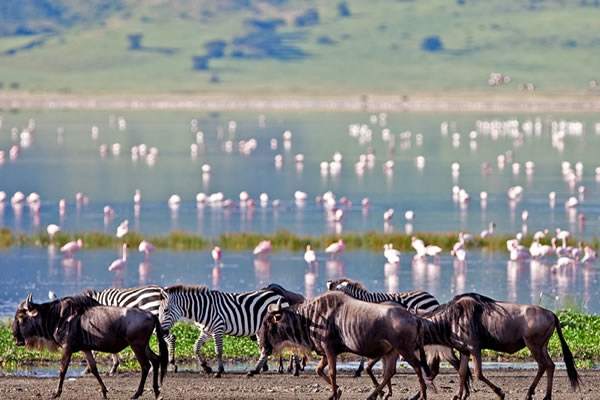 14 Days Kenya Tanzania Road Trip Itinerary grants you the chance to explore Kenya National Parks like Amboseli , Ol Pejeta Conservancy , Lake Manyara, Serengeti , Ngorongoro, Tarangire, Mikumi , Nyerere National Park and end in Dar es salaam Tanzania with one way car rental option
Kenya Tanzania Road Trip Itinerary

Kenya+ Tanzania Road Trip Itinerary 4 weeks holiday grants you the chance to explore the Kenya best Safari parks and Northern Circuit of Tanzania for unique Self drive experience in East Africa including the Wildebeest migration in Serengeti National Park on Self Drive Tour.
Planning Tips for a Combined Self-Drive Safari
A self-drive safari in Kenya and Tanzania is an exciting adventure, but it needs careful planning. Driving yourself through two countries gives freedom and flexibility, but also requires preparation. Here are some simple tips to help you plan a smooth and enjoyable safari.
 Plan Your Route: Before starting, plan which parks and towns you want to visit in each country. Popular routes often start in Nairobi, Kenya, then go to the Maasai Mara, cross into Tanzania, and visit the Serengeti, Ngorongoro Crater, Tarangire, or Lake Manyara. Look at distances between parks, road conditions, and travel time. Avoid trying to visit too many parks in a short time; it is better to spend more time in fewer parks to enjoy wildlife fully.
- Prepare Border Crossings: Kenya and Tanzania share a border, and crossing is straightforward if you have the right documents. Make sure your passport is valid and check if you need visas for both countries. Your vehicle will need a permit for entry into the neighbouring country, and insurance must cover both Kenya and Tanzania. Check border opening hours and rules, as they can change. Having all documents ready will make the crossing smooth and stress-free.
- Choose the Right Vehicle: A 4×4 vehicle is essential for a self-drive safari. Many roads in parks are rough, sandy, or muddy, especially during the rainy season. A 4×4 ensures you can access remote areas and enjoy the full safari experience. If you plan to camp, a vehicle with a rooftop tent or enough space for camping gear is ideal. Make sure the car has a spare tire, jack, and basic repair tools.
- Book Accommodation in Advance: While self-driving gives flexibility, popular parks often get full, especially during peak season. Book lodges, campsites, or tented camps in advance. Consider a mix of accommodation: luxury lodges for comfort, tented camps for a closer-to-nature experience. Staying inside or near the parks saves travel time and gives you early access for game drives.
- Carry Enough Supplies: Some parks are remote, and fuel, food, or water may not always be available. Carry extra fuel, bottled water, snacks, and essential supplies. A first-aid kit, flashlight, and insect repellent are also important. GPS or offline maps help if mobile signals are weak. Being prepared ensures safety and comfort during your safari.
- Plan Your Safari Timing: Consider the season and wildlife movements when planning your safari. The dry season is best for game viewing because animals gather around water sources. If you want to see the Great Migration, check its movement: it shifts between Kenya and Tanzania depending on the month. Planning your timing increases your chances of seeing more wildlife.
- Respect Park Rules: Each park has rules for self-drivers. Drive slowly, stay on designated roads, and keep a safe distance from animals. Never feed wildlife, and follow instructions from park rangers. Respecting rules ensures safety for you and the animals and helps preserve the parks.
- Prepare for Safety: Even with careful planning, safaris involve risks. Let someone know your route, especially if driving alone. Keep emergency contacts handy and know the nearest medical facilities. Travel insurance is recommended.
Final Remarks
Combining Kenya and Tanzania on a self-drive safari gives you the ultimate East Africa experience. You get to see more wildlife, visit a variety of parks, and enjoy different landscapes from Kenya’s savannahs and lakes to Tanzania’s plains, craters, and forests. Self-driving offers freedom, flexibility, and adventure, allowing you to explore at your own pace and follow wildlife movements, including the Great Migration. You also experience local cultures, stunning scenery, and a mix of accommodations. In short, a combined Kenya-Tanzania safari is richer, more diverse, and unforgettable, creating memories that last a lifetime.