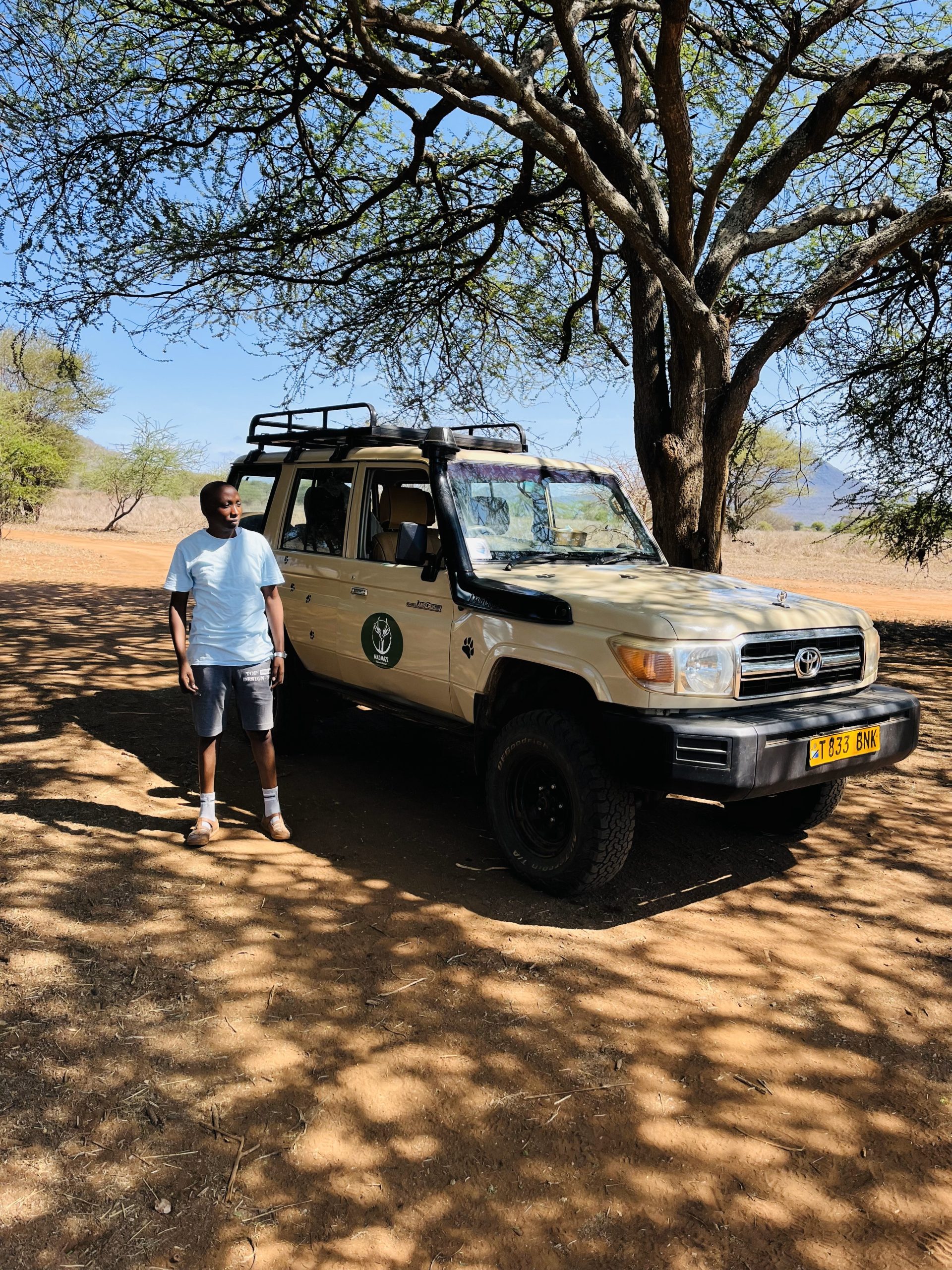
East Africa Travel Guide – Self Drive 4×4 adventures across Africa.

Planning a self drive holiday in East Africa is something that requires extra guidance and support from the local experts with unique and expertise in road trip adventures across Uganda, Kenya , Tanzania and Rwanda before crossing to southern African countries like Zambia , Malawi and Botswana in reliable landcruiser lx manual 76 series which is known as the hardtop landcruiser specialized as East Africa Safari jeep. Trust the experts from Self Drive Uganda limited to help you plan the unique East Africa Safari Adventure.

East Africa Travel guide , Advises, Tips and Planning guide

Toyota Landcruiser Roof TentEast Africa is a beautiful and diverse region in the eastern part of the African continent. It is known for its stunning landscapes, rich wildlife, and vibrant cultures. The region is full of natural wonders, from wide open savannas and dense forests to high mountains and sparkling lakes. East Africa attracts travelers from all over the world who want to experience nature, adventure, and culture in one trip.

The people of East Africa are warm and welcoming, with many different languages, traditions, and lifestyles. Visitors can enjoy local food, music, and art, and learn about the rich history of the region.

East Africa is also a land of contrasts, where modern cities and small rural villages exist side by side. Traveling here offers a chance to see some of the most amazing places on Earth and experience life in a unique and exciting way. Whether it is for relaxation, adventure, or exploration, East Africa leaves a lasting impression and memories that will stay with travelers for a lifetime.

Some things you might want to know in the way of Self driving in East Africa, budget travel advice, camping, tips, info and summaries for:
East Africa – Burundi, Kenya, Malawi, Rwanda, Tanzania and Uganda:  You can also learn about Zambia and Zimbabwe if your planning an Africa overlanding tour.

Country Summaries in East Africa

Car Rental in Southern TanzaniaKenya: Kenya is famous for its wildlife safaris, including the “Big Five” in Maasai Mara and Amboseli. It features diverse landscapes, from savannahs to Mount Kenya and the Indian Ocean coast. Nairobi offers modern amenities, museums, and parks. Kenya’s cultural diversity includes Maasai, Samburu, and other ethnic communities. Well-developed tourism infrastructure, lodges, and national parks make it ideal for safari, adventure, and cultural experiences. Key highlights: wildlife, scenic landscapes, and vibrant traditions.

Tanzania: Tanzania boasts Serengeti, Ngorongoro Crater, and Mount Kilimanjaro, offering world-class safaris and trekking. Coastal regions like Zanzibar provide tropical beaches and historical towns. The country is rich in ethnic diversity, music, and local traditions. Strong conservation efforts preserve wildlife and natural landscapes. Tanzania suits travellers seeking safari adventures, mountain trekking, and beach relaxation. Key highlights: wildlife migration, iconic natural landmarks, and cultural richness.

Uganda: Uganda, the “Pearl of Africa,” is known for gorilla trekking in Bwindi and chimpanzee tracking in Kibale. Queen Elizabeth and Murchison Falls National Parks offer safari experiences. Its scenic lakes, including Victoria and Bunyonyi, enhance outdoor adventures. Uganda’s cultural heritage is reflected in music, dance, and crafts. With developing infrastructure and friendly communities, it’s ideal for eco-tourism, wildlife safaris, and adventure travel. Key highlights: primate trekking, diverse landscapes, and authentic cultural experiences.

Rwanda: Rwanda, the “Land of a Thousand Hills,” is famous for mountain gorilla trekking in Volcanoes National Park. Nyungwe Forest and Akagera offer chimpanzee tracking and savannah safaris. Kigali is clean, safe, and culturally vibrant. Rwanda prioritizes conservation and eco-tourism, combining wildlife and heritage. Visitors can experience local crafts, traditional dances, and breathtaking landscapes. Key highlights: gorillas, diverse national parks, and cultural engagement.

Essential Travel Tips for East Africa: Your Complete Guide

If you are looking for the best the destination to par take a self-drive trip, look no further than Uganda. There are very many car hire companies in Uganda today that one can book a car for self-drive. Driving in a new destination like Uganda is really challenging and there is need to be very careful while on the remotest routes of this landlocked country. Visitors are strongly advised to review their personal safety and security posture, to remain vigilant and to be cautious by lowering their public profile when frequenting public places and landmarks. Below are some of the tips to help you stay safe while on self-drive tours in Uganda.

Check the vehicle thoroughly

Before setting off, it is advisable that you check on the vehicle to be used thoroughly. Take a look at the tyres and find out if they are in better conditions and if there is a spare tyre in its better shape. For longer journeys, you will need at least two tyres and make sure that you have checked the water level, lights, oil, wiper blades and for any linkages.

Driving after dark

We plan our self-drive safaris in Uganda so that you try to avoid driving at night because in the cities, the majority of carjacking take place after dark while rural roads are rarely lit by street lights, making people and free-ranging livestock difficult to spot.  It becomes harder to find the hotel as road signs or landmarks are not so clearly visible. Darker areas are too challenging even when it comes to accessing any kind of help.

Use Road maps and Gps

While transferring to the various safari destinations of your choice ensure to carry a GPS to direct you along the different routes in the country as well as travel road atlas and maps or directions and know exactly where you are going but don’t just reply on the GPS in Uganda. It can be seriously flawed, especially in the safari regions!

Follow traffic Laws while on road

Like any destination, traffic laws are worth following if you are to stay out of dangers on the road. Make sure that you can read road signs, do not drink and drive and at all times, put on your seat belts

Have breaks, eat and fuel the vehicle

Refreshing the mind after a long drive is very important factor when you are on self-drive holiday. Have adequate eats and fuel the vehicle. Never leave a big center without filling your gas tank, otherwise you may not find any fuel station in the next area especially the protected areas in Uganda.

Too much driving

Usually people plan to drive way too far in one day and sometimes they plan a hectic trip which has them driving too far and away too often. If you are feeling tired, it is advisable that you park aside and have a rest or give your colleague to also take up the wheel, provided he or she possess a valid driver’s license.

Close windows and doors

Keep your windows and doors locked when driving through urban areas, and especially when stopped at a traffic light. Never leave valuables in sight when parked, and try to park your car in a well-lit area that’s protected by car guards.

Mind about the rest of other road users

Most of Uganda’s roads are narrow and there can be some pedestrian walks. You need to be attentive and take note of other road users like, students, cyclists and cattle as most of them can be crossing the road.

Driving license

Make sure that your driving license is valid written in English and if not, you’ll need to apply for an International Drivers License ahead of your trip. To stay safe while on your trip, you need to follow the above listed tips and you will enjoy your tour in Uganda.

Speeding

Speed cameras operate in cities, towns and on high ways and if you are caught over speeding on camera, the fine will go straight to the hire car company, who will simply debit your credit card with the amount. A more common speeding trap is on the outskirts of towns, where traffic police wait for the unsuspecting driver to come racing out of the built up area.

If you are caught speeding by traffic police, the correct procedure is to give the traffic officer your details (name, car rental agency details and car registration number) and ask him to issue you with a speeding fine ticket. You also have the option of taking the speeding ticket to a local police station and paying it directly however, this may not be a feasible option as it may involve a long detour and eat into valuable holiday time.

Patrol stations

It is worth noting that none of the petrol stations in Uganda are self-service and when you pull into a petrol station, you will generally be waved to a free petrol pump by an enthusiastic attendant, who are all dressed in smart uniforms and will welcome you with a big smile. Do make sure that he waves you to the correct pump, as you do not want him putting petrol in your diesel car, while the car is being filled up, they will clean your windscreen for you and take great care in making sure even the smallest dirt mark is wiped away

The majority of the larger petrol stations will take overseas credit cards, but some of the smaller ones may not. You will generally find an ATM on site so that you can withdraw cash if necessary, but in the more remote places, even this facility may not be present. You should therefore always ensure that you have sufficient cash whenever you pull in to fill up with petrol just in case!

Top Destination for Self Drive in East Africa

Kenya

  • Maasai Mara National Reserve: Famous for the Great Migration and abundant wildlife.Sadaani National Park
  • Amboseli National Park: Known for elephant herds and views of Mount Kilimanjaro.
  • Tsavo National Park: One of the largest parks, home to diverse ecosystems.
  • Lamu Island: A UNESCO World Heritage Site with rich Swahili culture.
  • Nairobi National Park: Unique Park located near the capital city.

Tanzania

  • Serengeti National Park: Renowned for the annual wildebeest migration.
  • Ngorongoro Crater: A UNESCO World Heritage Site with diverse wildlife.
  • Mount Kilimanjaro: Africa’s highest peak, popular for trekking.
  • Zanzibar: Offers beautiful beaches and historical sites.
  • Lake Manyara National Park: Known for tree-climbing lions and birdlife.

Uganda

  • Bwindi Impenetrable Forest: Offers gorilla trekking experiences.
  • Queen Elizabeth National Park: Known for tree-climbing lions and boat cruises.
  • Murchison Falls National Park: Features the powerful Murchison Falls.
  • Lake Bunyonyi: A serene lake surrounded by terraced hills.
  • Kampala: The capital city with vibrant culture and history.

Rwanda

  • Volcanoes National Park: Offers gorilla trekking experiences.
  • Nyungwe Forest National Park: Known for chimpanzee trekking and hiking trails.
  • Lake Kivu: A picturesque lake with beaches and resorts.
  • Kigali: The capital city with museums and cultural sites.
  • Akagera National Park: Offers safari experiences and diverse wildlife.

Things Before You Go to East Africa

Off road terrain Safari TourBefore embarking on your East African adventure, consider the following preparations:

  • Visas: Check the visa requirements for each country you plan to visit. Some countries offer e-visas or visa-on-arrival options, while others may require you to apply in advance.
  • Vaccinations: Consult with a healthcare provider to ensure you have the necessary vaccinations. Common recommendations include yellow fever, hepatitis A and B, typhoid, and malaria prophylaxis.
  • Travel Insurance: Obtain comprehensive travel insurance that covers health emergencies, trip cancellations, and lost luggage.
  • Currency: Familiarize yourself with the local currencies and exchange rates. It’s advisable to carry some local currency for small purchases, though credit cards are widely accepted in major cities.
  • Health Precautions: Carry a basic first aid kit, insect repellent, and any personal medications. It’s also advisable to drink bottled water to avoid waterborne illnesses.
  • Cultural Etiquette: Learn about the local customs and traditions. For instance, in many East African cultures, it’s customary to greet elders first and to dress modestly, especially in rural areas.
  • Packing Essentials: Pack lightweight, breathable clothing for the day and warmer layers for the evening. Don’t forget essentials like sunscreen, a hat, and sturdy footwear for safaris and hikes.
  • Local SIM Cards: Consider purchasing a local SIM card for affordable data and communication. Major providers include Safaricom (Kenya), Vodacom (Tanzania), MTN (Uganda), and MTN or Airtel (Rwanda).
  • Emergency Contacts: Note down emergency numbers for each country, including police, medical services, and your country’s embassy or consulate.


Requirements When Traveling

Traveling to East Africa requires proper documentation and planning.

  • Passport: Ensure it is valid for at least six months beyond your intended departure.
  • Visa: Most countries require one; Kenya, Uganda, and Rwanda offer e-visas or visa-on-arrival, while Tanzania requires an online visa application. Consider the East African Tourist Visa ($100) to access Kenya, Uganda, and Rwanda for 90 days.
  • Travel Insurance: Essential for emergencies, covering health, evacuation, and trip interruptions.
  • Border Requirements: Always carry copies of your passport, visas, and travel itinerary. Be aware of each country’s entry requirements, as they can change.
  • Driving: International driving permits are recommended for self-drive travellers.
  • Safety: Research local laws, customs, and regional advisories. For multi-country trips, check each country’s regulations, including vaccination requirements and road entry rules, to ensure a smooth journey.


Health & Vaccinations

  • Mandatory Vaccinations: Yellow fever is required for entry into most countries; carry the International Certificate of Vaccination.
  • Recommended Vaccinations: Hepatitis A & B, typhoid, tetanus, polio, and measles.
  • Malaria: Common in lowland areas, so it is advised.
  • Mosquito Protection: Use DEET repellent, wear long sleeves, and sleep under treated mosquito nets.
  • Travel Health Kit: Include first aid items, personal medication, hand sanitizer, and antiseptic wipes.
  • Medical Facilities: Major cities have good hospitals, but remote areas have limited services.
  • Travel Insurance: Ensure it covers health emergencies, evacuation, and hospital care. Proper preparation reduces risks and ensures a safer trip.

Type of Vehicle

Toyota Prado: The Toyota Prado is allowed in Uganda and Rwanda and is ideal for self-drive safaris. It handles moderate off-road terrain, national parks, and rural roads comfortably. Prado offers seating for 5 passengers, reliable fuel efficiency, and sufficient luggage space, making it popular for couples or small groups.

V8 Vehicles: Toyota Land Cruiser V8 are allowed in Kenya, Tanzania, Uganda, and Rwanda. V8 offers seating for 5 passengers, powerful, durable, and suited for rough terrains, long-distance drives, and heavy luggage. V8s are ideal for off-road safaris, river crossings, and steep inclines, offering comfort and reliability for adventurous travellers.

Land Cruiser 76 & 78: The Land Cruiser 76 and 78 are permitted in all four countries and are highly recommended for rugged terrains, remote parks, and multi-day self-drive safaris. Land Cruisers 76 & 78 offers seating for 5 – 6 passengers They offer excellent off-road performance, ample cargo space, and seating for larger groups, ensuring safety, comfort, and accessibility in challenging conditions.

What to Pack

Packing strategically enhances your East African experience.

  • Clothing: Lightweight, breathable clothes for day; warm layers for evenings or highlands.
  • Footwear: Comfortable walking shoes, hiking boots, sandals.
  • Accessories: Hat, sunglasses, sunscreen, rain jacket.
  • Health: Insect repellent, first aid kit, personal medications.
  • Electronics: Camera, power bank, chargers, adapters.


Road rules and safety tips

Driving in East Africa requires caution and adherence to local regulations.

  • Driving Side: Uganda, Kenya and Tanzania drive on the left while Rwanda is right
  • Speed Limits: 50 km/h in towns, 80 km/h on highways, slower in national parks.
  • Seat Belts: Mandatory for all passengers.
  • Night Driving: Avoid outside cities due to poor lighting, animals, and pedestrians.
  • Road Conditions: Expect rough, gravel, or muddy roads, especially in parks like Maasai Mara, Serengeti, Ngorongoro, and Bwindi.
  • Wildlife Hazards: Watch for elephants, buffalo, and livestock crossing roads.


Best time to visit

Dry Season (June–October): The dry season is the peak period for wildlife safaris. In Kenya, the Maasai Mara hosts the famous Great Migration, while Amboseli offers spectacular elephant sightings against Mount Kilimanjaro. Tanzania’s Serengeti and Ngorongoro Crater provide excellent Big Five encounters. Uganda’s Queen Elizabeth and Murchison Falls National Park allow easy spotting of elephants, lions, and hippos. Bwindi Impenetrable Forest is good for gorilla trekking with clearer trails. Rwanda’s Akagera National Park showcases savannah wildlife, while Volcanoes National Park remains accessible for gorilla tracking. Roads are dry and navigable, enhancing self-drive safaris, photography, and trekking in highlands. Lodges and camps operate at full capacity.


Short Rainy Season (December–February): The short rainy season brings fewer tourists, lush greenery, and vibrant scenery. Wildlife disperses in savannah parks but provides more private safari experiences. In Uganda, Bwindi, Queen Elizabeth, and Murchison Falls are still excellent for gorilla and game viewing, while rivers and waterfalls are full. Rwanda’s Volcanoes and Akagera are ideal for gorilla trekking and savannah safaris, with vivid landscapes. Kenya’s Maasai Mara and Tanzania’s Serengeti remain accessible, though some remote roads may be muddy. Birdwatching peaks, photography is exceptional, and trekking on Kilimanjaro, Mount Kenya, or highlands is feasible. Lodge rates are lower, making this a quieter, scenic season.


Where to stay

Kenya: In Kenya, accommodations cater to all budgets. Luxury lodges include Sarova Mara Game Camp, Mara Serena Lodge, Ol Tukai Lodge (Amboseli). Mid-range options: AA Lodge Amboseli, Mara Explorer Camp, Sentrim Mara Camp. Campsites inside or near parks: Enonkishu Camp, Siana Springs, Mara Campsite, Amboseli Campsite. Staying within or near Maasai Mara and Amboseli ensures easy access to early morning safaris, guided game drives, and prime wildlife viewing with professional support and convenient park entry.

Tanzania: Tanzania offers varied accommodations in key parks. Luxury lodges: Four Seasons Serengeti, Ngorongoro Crater Lodge, Tarangire Sopa Lodge. Mid-range lodges/camps: Seronera Camps, Mbalageti Tented Camp, Manyara Wildlife Camp. Budget lodges: Serengeti Eco Camp, Tarangire Campsite, Ndutu Camp, Lake Manyara Campsite. Campsites: Ngorongoro Campsite, Serengeti Public Campsite, Tarangire Campsite, Mkomazi Campsite. Staying inside or near parks ensures early morning wildlife drives, convenient access to trails, and immersion in nature. All accommodations provide guides, safari transport, and meals.

Uganda: In Uganda, lodges and camps are available. In Queen Elizabeth National Park, top options include Mweya Safari Lodge for luxury, Kazinga Safari Lodge for mid-range comfort, and Katwe Crater Campsite for budget travellers. In Bwindi Impenetrable Forest, visitors can stay at Bwindi Lodge (luxury), Buhoma Lodge (mid-range), or Nkuringo Community Campsite (budget). In Murchison Falls National Park, recommended stays are Chobe Safari lodge for a premium experience, Para Safari Lodge for mid-range, and Red Chilli Campsite for budget-conscious travellers.

Rwanda: In Akagera National Park, top options include Ruzizi Tented Lodge for luxury, Akagera Game Lodge for mid-range comfort, and Akagera Campsite for budget travellers. In Volcanoes National Park, recommended stays are Sabyinyo Silverback Lodge (luxury), Virunga Lodge (mid-range), and Five Volcanoes (budget). Staying close to park entrances allows early morning gorilla trekking in Volcanoes, game drives, wildlife viewing, and boat trips in Akagera.

Money and Payments

In East Africa, each country has its own currency: Kenya (KES), Tanzania (TZS), Uganda (UGX), and Rwanda (RWF), though US dollars are widely accepted in lodges, national parks, and tourist areas. Major hotels and lodges, Major Fuel stations, Park & car entrance fee usually accept credit cards, but cash is essential in rural areas, markets, and remote parks. ATMs are available in big cities, but scarce near parks, so carry enough local currency or small USD bills for tipping and Mobile money services such as M-Pesa, MTN Mobile Money, and Airtel Money are increasingly used for secure, convenient transactions across the region.

Useful apps for self drive tourists

Self-drive tourists in East Africa can rely on several apps for navigation, safety, and convenience. Google Maps and Maps.me help with offline navigation in remote areas. Waze provides traffic updates in cities like Nairobi and Kampala. iOverlander and SafariBookings help locate campsites, lodges, and fuel stations. TripAdvisor and Booking.com assist with accommodation reviews and reservations.

Emergency contacts

Kenya: Police: 999, Ambulance: 999

Tanzania: Police: 112, Ambulance: 112

Uganda: Police: 999, Ambulance: 991

Rwanda: Police: 112, Ambulance: 912

Embassies: Keep a list of your country’s embassy contacts in each nation.

Domestic Airstrips and Road Transport in East Africa

Kenya

  • Domestic Airstrips: Wilson Airport (Nairobi) connects to Maasai Mara, Amboseli, Samburu, and Lake Naivasha. Other airstrips include Keekorok (Maasai Mara), Amboseli Airstrip, Naivasha, and Kisumu Airstrip.
  • Road Transport: Well-paved highways link Nairobi, Mombasa, and other major cities. Safari roads inside parks are mostly gravel; 4×4 vehicles are recommended for parks like Maasai Mara and Amboseli, especially during rains.

Tanzania

  • Domestic Airstrips: Seronera (Serengeti), Lobo Airstrip (northern Serengeti), Ndutu (Southern Serengeti), Ngorongoro, Tarangire, Mahale and Lake Manyara airstrips.
  • Road Transport: Major cities have tarmac highways; park roads are gravel or dirt, requiring 4×4 vehicles. Self-drive tourists must prepare for occasional river crossings and remote tracks.

Uganda

  • Domestic Airstrips: Kihihi & Kisoro (Bwindi), Kasese (Queen Elizabeth), Pakuba (Murchison Falls), Mbarara (Lake Mburo), Apoka (Kidepo), Mweya (Inside Queen), Semuliki Ntoroko (Semuliki).
  • Road Transport: Main roads are paved, but park access roads are rough or muddy. 4×4 vehicles are preferred for safaris and forest treks.

Rwanda

  • Domestic Airstrips: Ruhengeri Airstrip (Musanze Airport) – Volcanoes, Butare Airstrip (Huye Airport) – Nyungwe Forest.
  • Road Transport: Roads are generally paved and well-maintained. Access to parks is straightforward, though mountain tracks to Volcanoes National Park may require careful driving.


International Airport

Kenya

  • Jomo Kenyatta International Airport (Nairobi): Main hub for East Africa, connecting to Maasai Mara, Amboseli, Tsavo, and coastal resorts like Diani and Mombasa.
  • Moi International Airport (Mombasa): Serves the Kenyan coast, including Diani and Malindi.
  • Eldoret International Airport: Gateway to western Kenya, including Nandi Hills and nearby safari areas.

Tanzania

  • Julius Nyerere International Airport (Dar es Salaam): Main entry for safaris to Selous, Mikumi, and coastal Zanzibar.
  • Kilimanjaro International Airport (Arusha/Moshi): Primary hub for northern circuit safaris Serengeti, Ngorongoro, Tarangire, and Mount Kilimanjaro.
  • Zanzibar Abeid Amani Karume International Airport: Serves Zanzibar Island and nearby beaches.


Uganda

  • Entebbe International Airport (Kampala): Main gateway for safaris to Bwindi, Queen Elizabeth, Murchison Falls, Kibale, and Lake Bunyonyi.

Rwanda

  • Kigali International Airport: Main international gateway, connecting to Volcanoes National Park, Akagera National Park, and Nyungwe Forest.