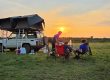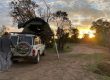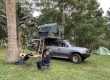
Kidepo Valley National Park Uganda’s Most Remote Wilderness
Kidepo is not a park you stumble into on the way to somewhere else. Found into the far northeastern corner of Uganda, right against the border with South Sudan and within sight of Kenya, it takes real effort to get here, and that is exactly why the people who make the trip rarely regret it.
This is Uganda at its wildest, open Savannah stretching to distant mountain ranges, with almost none of the crowds you find in the country’s more accessible parks.
Kidepo covers about 1,442 square kilometres of semi-arid Savannah, rugged hills and dry riverbeds, and it holds wildlife you simply will not find in Uganda’s other parks. Cheetahs live here, along with ostriches, both species absent from the rest of the country’s protected areas.
Add to that lions, elephants, buffalo, zebra, giraffe and over 500 recorded bird species, and you start to understand why some safari veterans rank Kidepo as their favorite park in Uganda despite, or maybe because of, how hard it is to reach.
This is the part that puts many travelers off, and also the part that keeps Kidepo so untouched. By road, it is around 10 to 13 hours from Kampala, usually broken into two days with an overnight stop somewhere like Gulu, Kitgum or Ziwa Rhino Sanctuary.
The drive itself, especially the stretch through the Karamoja region, is part of the experience, taking you through a side of Uganda most visitors never see, with traditional homesteads and landscapes that feel a world away from the south of the country.
The faster alternative is flying. Scheduled charter flights connect Entebbe to the airstrip near the park, cutting the journey down to under two hours. These flights are not cheap and depend on enough passengers booking to make the trip viable, so they need to be arranged well ahead of time through a tour operator. Whichever way you choose to arrive, this is not a park you visit on a whim, it needs to be planned for.
What to expect once you are there
Most of the game viewing happens in and around the Narus Valley, a green, spring-fed basin that draws animals in even during the driest months, making it one of the more reliable spots for game drives in the park.
Here you can find lion prides resting in the open, herds of buffalo moving across the grass, and if you are fortunate, a cheetah out hunting in daylight, something far harder to witness in most other East African parks.
Further north lies the Kidepo Valley itself, drier and starker, with the seasonal Kidepo River cutting through it. This is a quieter part of the park, and the scenery here, ringed by distant mountains, is some of the most dramatic in the country.
For hikers, the Kanangorok hot springs sit near the border with South Sudan, a natural spring worth the walk for the setting alone. Rangers also lead visits to nearby Karamojong villages, offering a look into the traditional way of life of the pastoralist communities who call this region home, an experience that goes well beyond a typical craft market stop.
The dry months, roughly September through March, are the best time to visit, when wildlife concentrates more predictably around the Narus Valley’s water sources and the roads are far easier to manage
Outside of this window, some routes into the park can become difficult after heavy rain, so it is worth checking conditions with your operator if you are travelling in the wetter months.
What it will Cost you
Park entry runs for 24 hours and comes to about 40 US dollars for foreign non-residents, 30 US dollars for foreign residents, and UGX 20,000 for East African citizens, among the more affordable entry fees of any major park in Uganda given how exclusive the experience feels.
Children under 15 are not charged. Vehicle and activity fees are added on top of this, and given how remote Kidepo is, it is worth budgeting for private transport, fuel and the extra days on the road, or the flight, rather than just the park fees themselves.
Accommodation inside and around the park ranges from simple, no-frills camps to a handful of higher-end lodges positioned to catch the views over the Narus Valley.
Because there are fewer properties here than in Uganda’s more visited parks, it is worth booking ahead, especially during the dry season months when demand for the limited rooms goes up.
Luxury Lodges
Apoka Safari Lodge is the most luxurious place to stay in Kidepo Valley National Park. Set in the center of the park, the lodge offers spacious cottages with private verandas overlooking the beautiful Narus Valley.
Guests enjoy excellent service, delicious meals, a swimming pool, and a peaceful atmosphere surrounded by nature. It is the perfect choice for travelers who want comfort, privacy, and an unforgettable safari experience.
Mid-Range Lodges
Kidepo Savannah Lodge is one of the most popular mid-range accommodations near the Kalokudo Gate. The lodge offers comfortable safari tents and cottages with private bathrooms, hot showers, and stunning views of the surrounding hills and grasslands. It provides a relaxing environment while keeping visitors close to the park’s wildlife and attractions. Kidepo Savannah Lodge
Another good option is Nga’Moru Wilderness Camp, located on a hill overlooking the famous Narus Valley.
The camp offers clean and spacious rooms, friendly service, and beautiful views where guests can often see animals grazing in the distance. It is a great choice for travelers looking for comfort without paying luxury prices.
Budget Accommodation
For travelers on a smaller budget, Apoka Rest Camp offers simple but comfortable accommodation inside the park. Managed by the Uganda Wildlife Authority, the camp has bandas, chalets, and camping space for visitors who want to bring their own tents.
It is an excellent choice for backpackers, students, and anyone who wants to experience Kidepo without spending too much money.
Visitors can also find affordable safari tents at Kidepo Savannah Lodge, making it possible to enjoy the beauty of Kidepo at a lower cost while still staying close to the park entrance.
No matter your budget, staying in Kidepo Valley National Park gives you the chance to wake up to breathtaking landscapes, listen to the sounds of the African wilderness, and enjoy one of Uganda’s most remote and rewarding safari destinations.
A few things to know before you go
Kidepo demands more time than most parks, simply because of how long it takes to get there. Trying to visit for one night is not really worth the journey, three to four days lets you actually see what the park offers without spending most of your trip on the road.
Pack for both heat and cool evenings, since temperatures swing more here than in Uganda’s more forested parks, and bring more cash reserves than usual, since this is not an area with easy access to banks or ATMs.
Kidepo will never be the first park most people think of when planning a Uganda safari, and that is precisely its appeal. For travellers who have already done Bwindi, Queen Elizabeth or Murchison and are looking for something further off the beaten path, Kidepo delivers a sense of isolation and untouched wilderness that is becoming harder to find anywhere else in East Africa.
Though Kidepo is not considered a primate destination like Kibale National Park or Bwindi Impenetrable National Park, the park is also home to a few interesting primate species. Visitors may come across olive baboons, vervet monkeys, black-and-white colobus monkeys, and the rare patas monkey, which is only found in a few places in Uganda. While these primates are not the main reason people visit Kidepo, they add to the park’s rich wildlife and make every safari even more rewarding.