
Combine Masai Mara & Serengeti Safari – Everything you need to know about Road Trip
Planning to Combine Masai Mara and Serengeti on self drive tour? Is it possible explore Kenya & Tanzania using a single Jeep? its Possible but it requires careful consideration and expertise to ensure that the adventure happens as planned.Self Drive East Africa team of experts is available to help you plan the holiday with zero stress in strong 4×4 landcruisers that are Ugandan registered.
Combining Masai Mara in Kenya and Serengeti National Park in Tanzania on a self-drive safari is one of the most thrilling adventures in East Africa. These two parks share an open border where wildlife moves freely, creating one of the richest ecosystems on the planet. Driving between them allows travelers to witness the famous Great Migration, where millions of wildebeests and zebras cross the Mara River in search of greener pastures. A self-drive safari gives you freedom, flexibility, and the chance to explore at your own pace.
You can watch lions hunt at sunrise, camp under starry skies, and cross international borders on your own four wheels. While it requires planning, paperwork, and a strong 4×4 vehicle, the experience is truly rewarding. This Serengeti Masai Mara guide explains how to plan, drive, and enjoy an unforgettable journey that connects the wonders of the Masai Mara and the Serengeti.
Video Credit to Edward & Ssali ( Product Developer) in Rwenzori Mountains National Park on Self Drive Trip.
Geography and landscape of Masai Mara and Serengeti
The Masai Mara National Reserve in southwestern Kenya and Serengeti National Park in northern Tanzania form one of the world’s most famous wildlife ecosystems. Together, they cover vast savannahs, rolling grasslands, riverine forests, and scattered hills, providing diverse habitats for a wide range of animals. The Mara River in the Masai Mara and its seasonal tributaries are crucial water sources, shaping the landscape and attracting wildlife, especially during the Great Migration, when millions of wildebeest and zebras cross the river. Acacia-dotted plains, kopjes (rocky outcrops), and small wetlands define the Mara, creating scenic panoramas and offering vantage points for predators like lions and cheetahs.
Continuing south, the Serengeti stretches over 14,000 km² with gently rolling plains, kopjes, and extensive river valleys such as the Grumeti and Mara. Its open savannahs support large herbivore populations, while the woodlands along rivers provide shelter for smaller mammals and birds. Seasonal rainfall transforms the park, creating lush green pastures during the wet season and dry, golden plains in the dry season, concentrating wildlife around water sources. Together, the Mara and Serengeti landscapes offer a seamless, breathtaking ecosystem where predators and prey coexist, making it one of the richest and most iconic wildlife regions on Earth.
Best Time to Combine Masai Mara and Serengeti
The best time to visit Masai Mara in Kenya and Serengeti in Tanzania depends on what you want to see. The two main seasons are the dry season and the wet season, each offering a different safari experience.
- Dry Season (June to October): The dry season is the most popular time for safaris. During this period, the Great Migration takes place, with millions of wildebeests and zebras moving from Serengeti to Masai Mara. River crossings in the Mara River are dramatic and exciting to watch. Wildlife is easier to spot because animals gather around water sources, and the vegetation is shorter, making predators and prey easier to see. This season offers excellent game viewing, clear skies, and comfortable driving conditions.
- Wet Season (November to March): The wet season is quieter, with fewer tourists. The parks are green and lush, and many animals give birth during this time, especially in southern Serengeti. This is called the calving season, and predators are active hunting the newborns. Although some roads can be muddy, this season offers beautiful scenery, great photography opportunities, and a more peaceful safari experience without crowds.
Car Rental in Masai Mara & Serengeti National Park
- Choosing the Right Vehicle
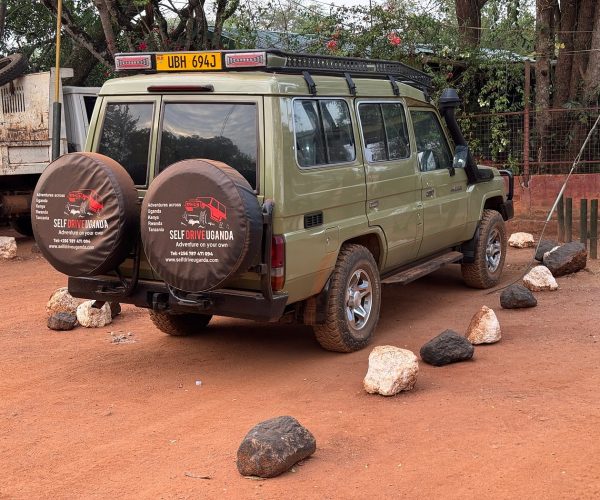
For a self-drive safari between Masai Mara in Kenya and Serengeti in Tanzania, having a strong 4×4 vehicle is essential. Roads in both parks can be rough, muddy, or sandy, especially during the rainy season. Recommended vehicles include Toyota Land Cruisers LX 76 series. Your vehicle should have a pop-up roof for game viewing, two spare tires, a first aid kit, basic tools, and enough fuel and water for long distances. A reliable GPS or offline map is also important to navigate the parks and border areas.
- Rental Company Permissions
Not all rental companies allow their vehicles to cross into Tanzania. Always confirm with the rental company before booking. Many companies permit cross-border travel for an extra fee of $50–$100 and provide a letter of authority and a COMESA Yellow Card (insurance valid in both Kenya and Tanzania). If your rental does not allow border crossings, an alternative is to rent a car in Kenya for Masai Mara and another in Tanzania for Serengeti. Planning in advance avoids problems at the border.
- Required Border Documents
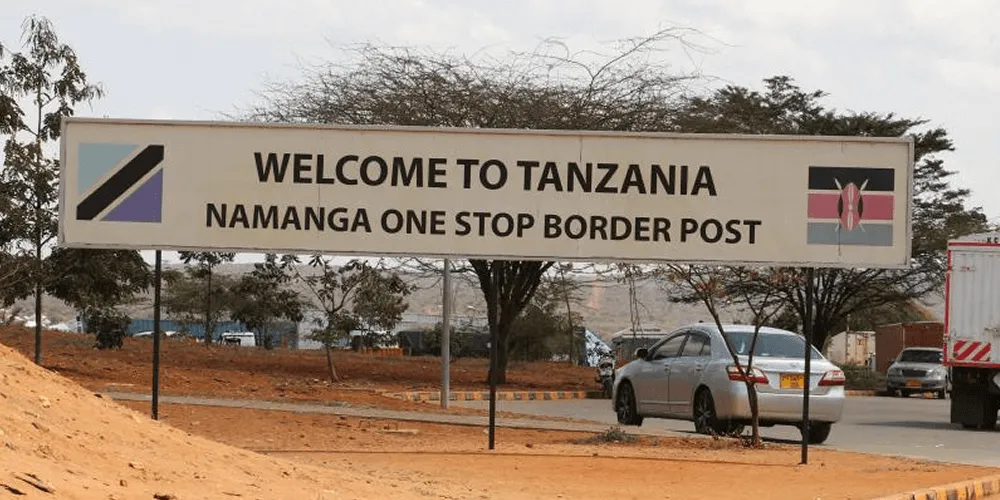
Crossing the Kenya-Tanzania border requires several documents for both you and the vehicle. You must carry a passport with a Tanzanian visa (visa on arrival or eVisa), the vehicle logbook or rental agreement, the COMESA Yellow Card insurance, and a Temporary Import Permit (TIP) for the car (around $20–$30). Some borders also require a small road tax, usually $10. Make sure to have both digital and printed copies of all documents to avoid delays.
- Safety and Legal Considerations
Always drive cautiously, follow park speed limits, and never go off-road. Keep emergency contacts, including park authorities and your rental company, handy. Respect both Kenyan and Tanzanian laws, and ensure all documents are valid throughout your safari. With careful preparation, crossing from Masai Mara to Serengeti is straightforward and opens the way for an unforgettable combined safari experience.
Why Combine Masai Mara and Serengeti?
Combining Kenya’s Masai Mara National Reserve and Tanzania’s Serengeti National Park is one of the best safari experiences in East Africa.
- Connected Ecosystem: Masai Mara in Kenya and Serengeti in Tanzania are part of the same ecosystem, known as the Mara-Serengeti ecosystem. This means wildlife moves freely between the two parks. By visiting both, you experience the full range of habitats and wildlife patterns. For example, the Great Migration of wildebeest and zebras moves from Serengeti to Masai Mara and back, so combining the parks lets you witness the migration in different locations.
- More Wildlife Diversity: Each park has unique wildlife concentrations. Masai Mara has abundant big cats like lions and cheetahs in smaller, easily accessible areas. Serengeti is vast and has large herds of herbivores spread across its plains, kopjes, and river valleys. By combining both, you increase your chances of seeing a wider variety of animals in different environments, from predators to elephants, hippos, and hundreds of bird species.
- Greater Chance to See the Great Migration: The Great Migration is one of the world’s most spectacular wildlife events. Millions of animals move between Serengeti and Masai Mara, crossing rivers and plains. By visiting both parks, you can track the movement of the herds and witness dramatic river crossings in Masai Mara or vast grazing herds in Serengeti, depending on the season. This makes your safari completer and more unforgettable.
- Variety of Landscapes: Masai Mara has rolling grasslands, acacia trees, and the Mara River with its famous crossings. Serengeti offers endless plains, kopjes, river valleys, and seasonal wetlands. Combining the parks gives you the chance to enjoy a diverse safari scenery, from intimate forested areas to wide open plains where animals roam freely. Photographers especially benefit from the variety of landscapes.
- Cultural Experience: Masai Mara offers cultural experiences through visits to Maasai villages, where you can learn about local traditions, dances, and herding practices. Serengeti also has nearby communities and occasional cultural tours. Combining both parks allows you to experience not only wildlife but also the human side of East Africa, understanding how local people live alongside nature.
- Better Safari Timing Options: The wildlife in each park behaves differently throughout the year. Some animals concentrate in Serengeti during the wet season, while river crossings in Masai Mara happen in the dry season. By combining the two parks, you can plan a safari at the best time to see migration, predators, and young animals, making your trip more flexible and rewarding.
- Complete East African Safari Experience: By visiting only one park, you miss part of the Mara-Serengeti ecosystem. Combining both ensures a full safari experience, with more wildlife, breathtaking landscapes, and unforgettable moments. It allows travellers to see the richness of East African nature in one trip rather than limiting themselves to a single park.
Border Rules Between Kenya and Tanzania
- Passport and Visa – All travellers must carry a valid passport. Most nationalities need a visa to enter Kenya and Tanzania. You can apply for e-visas online before your trip. Always check visa requirements in advance.
- Vehicle Documents – If you are driving, carry original car registration papers and a valid driver’s license. For rental vehicles, you must have a letter of permission from the rental company allowing the vehicle to cross the border.
- Vehicle Insurance – Cars must have insurance valid in both countries. Some rentals include this, but if not, you can buy temporary cross-border insurance at the border. This protects you in case of accidents or vehicle damage.
- Temporary Import Permit – Tanzania requires a temporary import permit for foreign vehicles. This is usually processed at the border and may involve a small fee. The permit allows your car to legally enter and drive in Tanzania for a limited time.
- Park Entry Permits – Both Masai Mara and Serengeti require park entry fees (In Masai Mara its 200$ per person per day and 83$ per person per day in Serengeti). Keep receipts and permits safe, as park officials may check them during your visit.
- Customs and Regulations – Follow all customs rules and regulations at the border. Some items may be restricted or need declaration. Always answer questions politely and provide documents when asked.
- Currency and Fees – Carry cash in local currency for border fees, as cards are not always accepted. This helps avoid delays when paying for permits or insurance like Fiber fee at the Tanzania border.
- Travel Tips – Arrive early at the border to avoid long queues. Keep all documents organized in one folder. Ensure your vehicle is in good condition, with fuel, water, and spare tires ready for the journey ahead.
Highlights of Masai Mara Serengeti Combined Safaris
- The Great Migration: One of the biggest highlights is witnessing the Great Migration, where millions of wildebeest, zebras, and gazelles move between Serengeti and Masai Mara. During the migration, animals cross rivers like the Mara River, facing crocodiles and strong currents. This is a once-in-a-lifetime wildlife spectacle that draws photographers and safari lovers from all over the world. The migration usually happens between July and October in Masai Mara and between December and June in Serengeti.
- Big Cat Sightings: Both Masai Mara and Serengeti are home to the “Big Five” and other predators. Lions, cheetahs, and leopards are often seen hunting in the open plains or resting on rocky kopjes. The abundance of prey animals makes predator sightings frequent. The best time to see big cats is during the dry season (June–October) when they gather around water sources.
- Scenic Landscapes: The landscapes are breathtaking. Masai Mara has rolling grasslands, acacia trees, riverine forests, and rocky kopjes. Serengeti offers endless plains, kopjes, river valleys, and seasonal wetlands. These landscapes are not only beautiful but also shape wildlife behaviour, giving excellent opportunities for photography and game viewing. Sunrise and sunset in these plains are magical, with golden light over the savannah.
- Bird Watching: Both parks are excellent for bird enthusiasts. Hundreds of bird species, including eagles, vultures, ostriches, and pelicans, are found here. Rivers, marshes, and open plains attract different types of birds, making every safari drive a chance to spot new species. The wet season is especially good for seeing colourful migratory birds.
- Diverse Wildlife: Apart from big cats and migrating herbivores, you can see elephants, giraffes, rhinos, hippos, crocodiles, hyenas, and buffalo. Each park has its own mix of species. Masai Mara is smaller and easier to cover, so wildlife spotting can be concentrated, while Serengeti is vast, giving the feeling of endless wilderness.
- Cultural Experiences: Near Masai Mara, you can visit Maasai villages to learn about Maasai culture, traditions, and lifestyle. This adds a human dimension to your safari, showing how people live alongside wildlife. Cultural visits often include traditional dances, crafts, and learning about Maasai herding practices.
- Seasonal Variations: Each season offers unique experiences. The dry season is best for wildlife concentration around rivers and easier driving. The wet season brings lush green landscapes, fewer tourists, and baby animals, which is perfect for seeing young wildlife and dramatic scenery. Planning your safari according to the season can enhance what you see.
- Photographic Opportunities: The combination of Masai Mara and Serengeti provides incredible photography chances. From dramatic wildlife action to wide-open landscapes, sunrise and sunset lighting, and river crossings during the migration, photographers will find endless opportunities. Even simple game drives become perfect moments to capture wildlife and nature in their natural habitat.
How to Plan a Combined Kenya & Tanzania Safari
- Decide the Duration – First, choose how many days you want for your safari. A combined Kenya-Tanzania safari usually takes 7–10 days at a minimum, with more time allowing for relaxed game drives and travel between parks.
- Choose Your Parks – In Kenya, most travellers visit the Masai Mara National Reserve. In Tanzania, options include Serengeti, Ngorongoro Crater, or Tarangire. Decide which parks you want to see based on wildlife, landscapes, and your interests.
- Plan the Route
- Start in Kenya: Nairobi – Masai Mara – cross to Serengeti via Isebania/Sirari border – continue to other Tanzanian parks – exit via Arusha or Kilimanjaro.
- Start in Tanzania: Fly into Kilimanjaro/Arusha – Serengeti – Ngorongoro – cross into Masai Mara – exit via Nairobi. Plan the route to minimize long drives and allow enough time in each park.
- Decide on Transportation
- Self-drive: Rent a 4×4 vehicle with cross-border permission and insurance valid in both countries.
- Air transfer: Small charter flights connect Masai Mara and Serengeti quickly, saving time.
- Book Accommodation – Choose budget, mid-range, luxury lodges, or campsites depending on your preferences. Book early, especially during migration season (July–October), as lodges fill quickly.
- Arrange Park Permits and Entry Fees – Both countries require park entry fees. Ensure you have receipts and permits for all parks in advance. Some safari companies handle this for you.
- Prepare Travel Documents – Carry passport, visas, driver’s license, vehicle documents, and insurance papers. Make sure your visas and car insurance cover cross-border travel.
- Consider Season and Wildlife
- Dry season (June–October): Best for wildlife concentration and easier roads.
- Wet season (November–May): Lush landscapes and baby animals, but some roads may be difficult. Plan your safari according to what wildlife you want to see, especially the Great Migration.
- Pack Smartly
Bring comfortable clothing, safari hats, binoculars, cameras, and sunscreen. Include water, snacks, and first-aid supplies for self-drive safaris.
Conclusion
Combining Masai Mara and Serengeti on a self-drive safari offers an unforgettable East African adventure. Driving through both parks lets you explore varied habitats, witness spectacular wildlife, and move at your own pace. Careful planning choosing the right vehicle, arranging cross-border permits, and preparing for park conditions ensures a smooth journey. This safari rewards travellers with breathtaking landscapes, abundant wildlife, and thrilling encounters with big cats or migrating herds. Whether chasing the Great Migration or enjoying serene plains, a combined Masai Mara–Serengeti self-drive provides flexibility, excitement, and memories that linger long after the trip, making it a truly complete wildlife experience.
Car Rental Uganda
Long term car hire in Uganda? Self Drive East Africa offers discounted Car rental on long term rental or one way car rental to explore Uganda national parks and game reserves on one month self drive Uganda Safari tour . Get the best advise , tips and accommodation bookings for your self drive adventure in East Africa. See the Mountain Gorillas, wildlife & Big five animals.