

Ruaha National Park – Self Drive Southern Tanzania
Ruaha National Park is one of Tanzania’s hidden treasures and most recommended for self drive adventures in southern Tanzania. The most unexplored National Park in Tanzania with unique attractions that is open for self drive Tours. While parks like Serengeti and Ngorongoro Crater are famous worldwide, Ruaha is less crowded but just as amazing. It is the largest national park in Tanzania, covering about 20,226 square kilometres. That is bigger than the whole country of Wales in the United Kingdom. Ruaha is known for its wild and untouched nature. It is part of the southern safari circuit, which also includes Mikumi, Udzungwa Mountains, Katavi, and Nyerere (Selous). Unlike the northern circuit (Serengeti, Tarangire, Manyara, and Ngorongoro), the southern parks have fewer tourists. This makes Ruaha perfect for travelers who want peace, quiet, and a true wilderness feeling.
Location and Geography
Ruaha National Park is located in the south-central part of Tanzania, covering an area of about 20,226 square kilometers, making it the largest national park in the country and one of the biggest in Africa. The park lies in the Iringa and Morogoro regions, with the nearest town being Iringa, about 130 kilometres away. Its vast size means it offers a wide variety of landscapes and ecosystems, making it a top destination for wildlife lovers and nature explorers.
Geographically, Ruaha is characterized by a mix of savannah plains, rolling hills, deep valleys, miombo woodlands, and the Great Ruaha River, which flows through the park and provides a vital water source for animals. The park is part of the larger Ruaha-Rungwa ecosystem, which also includes several game reserves and protected areas, allowing wildlife to roam freely over thousands of square kilometers. This diversity in landscapes and habitats makes Ruaha a unique and rich area for biodiversity.
History of the Park
Ruaha National Park has a rich history that reflects Tanzania’s conservation efforts. The park was first protected in 1910 as a game reserve, making it one of the oldest protected areas in the country. In 1964, it was officially declared a national park to preserve its unique wildlife and natural landscapes. Over time, Ruaha has grown to cover about 20,226 square kilometres, making it Tanzania’s largest national park and one of the largest in Africa.
The name “Ruaha” comes from the Great Ruaha River, which flows through the park and is central to its ecosystem. Historically, the area was home to many local communities, including the Hehe people, who lived alongside wildlife and depended on the land for farming and grazing. With the establishment of the park, conservation efforts focused on protecting the rich wildlife, which includes large elephant herds, big cats, and rare species like the African wild dog.
Getting to Ruaha
By Road
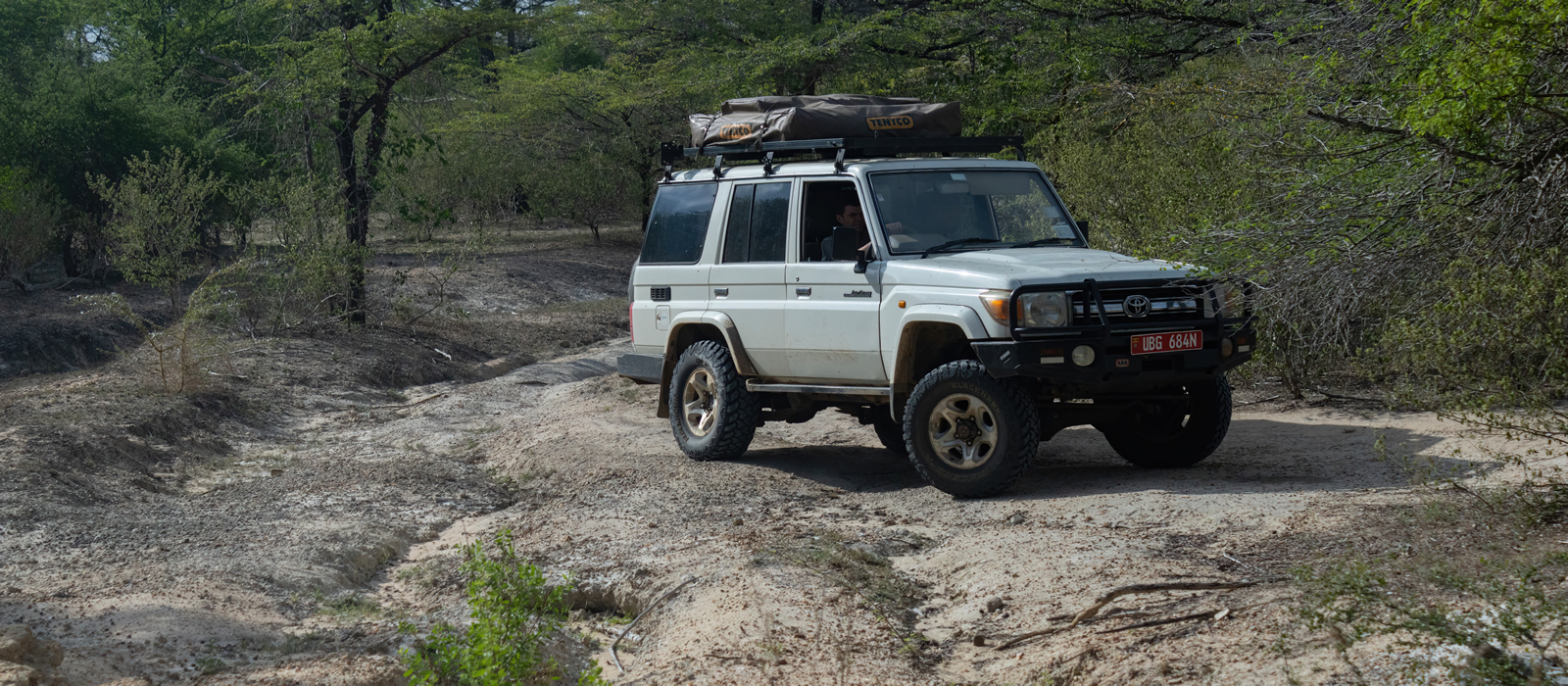
 Reaching Ruaha by road is an adventure in itself. The park is located about 130 kilometres from Iringa town, which is the nearest big town with good facilities. From Iringa, the drive to the park’s main gate takes around 2 to 3 hours on a partly paved and partly rough road. If you are traveling from Dar es Salaam, the journey is much longer about 10 to 12 hours by car, covering around 625 kilometres. This route takes you through Morogoro and Iringa, with chances to enjoy Tanzania’s countryside scenery along the way. Travelers can also come from other southern parks, like Mikumi or Nyerere, as part of a southern safari circuit. Self-drivers often prefer 4×4 vehicles, as the roads inside the park are rough, especially during the rainy season. Road trips to Ruaha give you the chance to see rural villages, local markets, and beautiful landscapes before reaching the wild heart of the park.
By Air
For those who want to save time, flying is the fastest and most convenient way to reach Ruaha. The park has several airstrips, including Msembe Airstrip, which is the main one. Domestic airlines such as Auric Air, Coastal Aviation, and Safari Air Link operate scheduled flights from Dar es Salaam, Arusha, Dodoma, and Zanzibar directly to Ruaha. The flight from Dar es Salaam takes about 1 hour 30 minutes, compared to the 10+ hours by road. Charter flights are also available for private groups or tailor-made safaris. Flying into Ruaha gives you breathtaking aerial views of Tanzania’s landscapes, including mountains, rivers, and vast plains. Once you land at the airstrip, your lodge or camp usually arranges a transfer vehicle to pick you up and take you straight into the safari experience.
Best Time to Visit
- Dry Season (June to October)
 The dry season is the best time to visit Ruaha National Park because the weather is warm, and the land is dry. During this time, water becomes scarce, so animals gather around rivers, waterholes, and permanent water sources, making wildlife viewing much easier. This season is ideal for game drives because animals are easier to find, and you can see large herds of elephants, buffalo, and other wildlife in one place. Lions and leopards are more visible as they hunt during the day. The dry weather also means fewer mosquitoes, making the safari more comfortable. The landscape during this time is golden brown, which makes for beautiful photographs, especially at sunrise and sunset. Visitors often find this season perfect for walking safaris, as trails are dry and accessible. It is the most popular time to visit Ruaha, so the park can be busier compared to the wet season, but it offers the highest chance of seeing a variety of wildlife.
- Wet Season (November to May)
The wet season in Ruaha National Park is when the park comes alive with lush greenery and vibrant wildlife activity. This period is marked by two rain phases: short rains (November to December) and long rains (March to May). During the wet season, the park is quieter with fewer tourists, giving a more private safari experience. Rain transforms the park, filling rivers and waterholes, and bringing fresh grass and flowers. This attracts grazers like zebras, impalas, and wildebeests, along with their predators. Many animals give birth during this season, so you can see young animals and witness interesting wildlife behavior. Bird watchers enjoy this season because migratory birds arrive, adding colour and variety to the park’s birdlife. The wet season is perfect for travelers who want fewer crowds, green scenery, and the chance to see baby animals.
Attractions in Ruaha National Park
- Wildlife Diversity
Ruaha National Park is famous for its amazing wildlife diversity, making it one of Tanzania’s top safari destinations. The park is home to more than 10,000 large mammals and over 400 species of birds, offering visitors an unforgettable experience. Wildlife in Ruaha includes huge herds of elephants, giraffes, zebras, buffaloes, and impalas. The park is also known for its large populations of predators such as lions, leopards, cheetahs, and African wild dogs the last being one of the park’s most special attractions. Animals roam freely over large distances, so sightings feel more natural and less crowded compared to busier parks. The remote nature of the park adds to its charm, allowing visitors to connect deeply with nature. Because of this richness in wildlife, Ruaha plays an important role in wildlife conservation and is considered one of Africa’s most valuable natural treasures.
- The Great Ruaha River
The Great Ruaha River is the lifeline of Ruaha National Park and a key attraction. Stretching over 300 kilometres through the park, the river supports the park’s diverse ecosystems. During the dry season, the river becomes the main source of water, attracting large numbers of animals to its banks. Visitors can see elephants bathing, hippos resting in the water, crocodiles sunbathing, and buffalo herds drinking at the river edge. The river also supports abundant birdlife, including fish eagles, herons, and kingfishers, adding beauty to the park’s scenery. The river flows through varied landscapes, including miombo woodlands, grassy plains, and rocky areas, creating spectacular scenery for visitors.
- Miombo Woodlands and Scenic Landscapes
Ruaha National Park is not only rich in wildlife but also blessed with stunning landscapes. One of its most beautiful features is its miombo woodlands, which cover large parts of the park. These woodlands are made up of tall trees with broad leaves that provide shade and shelter for animals. Miombo trees change colour with the seasons, creating a living canvas that shifts from deep green in the rainy season to golden brown during dry months. The park also has rolling plains, rocky hills, and valleys shaped by the Great Ruaha River, giving it a unique and varied scenery. Miombo woodlands are home to special plant species and many animals, including elephants, impalas, and leopards. The scenery in Ruaha offers a calm contrast to the excitement of wildlife viewing, allowing visitors to enjoy the park’s quiet beauty as much as its animals. The combination of wildlife and breathtaking landscapes makes Ruaha a truly remarkable destination.
Activities in Ruaha National Park
- Game Drives in Ruaha National Park
Game drives are the main activity in Ruaha National Park, offering visitors the best way to explore the park’s vast wilderness and spot wildlife. Ruaha covers over 20,000 square kilometres, making it one of Tanzania’s largest parks, and game drives allow you to travel through different habitats from open plains to dense woodlands and riverbanks. These drives usually happen in specially designed 4×4 safari vehicles with open roofs for better viewing and photography. They can be morning drives, evening drives, or full-day drives, each offering unique experiences. Morning drives start before sunrise when animals are most active, and the light is perfect for photography.
It’s a time when predators like lions, leopards, and cheetahs can be seen hunting or resting after the night. You may also find elephants moving between waterholes, buffalo grazing, or giraffes browsing treetops. Evening drives offer the magic of sunsets, with animals gathering near rivers and water sources before nightfall. Full-day drives give a deeper experience, allowing you to travel to remote parts of the park and have more wildlife encounters.
- Walking Safaris in Ruaha National Park
Walking safaris in Ruaha National Park are a special way to connect with nature because they allow you to explore the park on foot. This activity gives visitors the chance to discover details of the bush that a vehicle can never offer tracks, insects, small mammals, birds, and plants that are hidden from view during a game drive. Walking safaris are led by experienced armed guides who ensure safety and help interpret what you see. Walking safaris take place in designated areas of the park, where the risk from dangerous animals is lower, but wildlife encounters are still common. During the walk, visitors learn about animal behaviour, plant life, and the importance of conservation. You can walk through open plains, dry woodland, or along riverbanks, each offering a unique perspective of the park. A walking safari is not only an adventure but also a learning journey, connecting visitors to the natural rhythms of the park.
- Bird Watching in Ruaha National Park
Ruaha National Park is a paradise for bird watchers, with over 400 species of birds, including rare and endemic ones. Bird watching here is a peaceful but exciting activity that can be done during game drives, walking safaris, or from specific viewpoints. The park’s diverse habitats miombo woodlands, dry acacia plains, riverine forests, and swamps create perfect conditions for a wide variety of birdlife. Visitors can spot colourful species such as the Racket-tailed Roller, Ground Hornbill, Crested Barbet, African Pitta, and Miombo Rock Thrush. Water birds like fish eagles, kingfishers, and herons are common along the Great Ruaha River. Bird watching is best done in the early morning when birds are most active and vocal, but the activity can continue throughout the day. Guided bird-watching tours give visitors a better chance of spotting and identifying species, as guides know the best locations and times. For photographers, bird watching provides wonderful opportunities for close-up shots of birds in natural light. Whether you are a beginner or an expert birder, Ruaha offers incredible diversity and rewarding experiences. This activity enhances the safari experience, adding a peaceful and educational dimension to the park’s already rich wildlife offering.
- Boat Safaris on the Great Ruaha River
Boat safaris in Ruaha are a unique way to explore the park and see wildlife from the water. The Great Ruaha River runs through the park and is home to hippos, crocodiles, and many bird species. From a boat, visitors can quietly approach wildlife without disturbing them, which offers a different experience from a vehicle-based safari. Boat safaris also allow for unique photography opportunities, especially at sunrise or sunset when the lighting is dramatic. While on a boat safari, you can see animals coming to the riverbank to drink, hippos surfacing, crocodiles resting, and birds feeding. Guides on boat safaris explain the river’s importance to the park’s ecosystem and share insights about aquatic life. Boat safaris are usually peaceful and slow-paced, giving visitors time to observe details and enjoy the sounds of nature. It is particularly rewarding during the dry season when animals gather at the river. A boat safari in Ruaha is a unique adventure that blends relaxation with discovery, offering an unforgettable perspective on the park’s beauty.
- Cultural Tours Near Ruaha National Park
Cultural tours around Ruaha National Park allow visitors to learn about the traditions and lifestyles of local communities. These tours involve visiting nearby villages, meeting locals, and experiencing their way of life. Visitors can learn about traditional farming methods, local crafts, cooking, and community life. Cultural tours are guided by locals who share stories about the history of their people and their relationship with the land. These tours provide a deeper understanding of how local communities depend on and protect the park’s resources. Visitors may also have the opportunity to participate in cultural activities, such as traditional dances, storytelling, or cooking. This activity is enriching and educational, offering meaningful experiences beyond wildlife viewing.
- Photography Safaris in Ruaha National Park
Photography safaris in Ruaha are a dream for both amateur and professional photographers. Ruaha’s diverse landscapes, abundant wildlife, and dramatic light conditions make it an ideal destination for photography. Photographers can capture stunning images of lions, elephants, leopards, wild dogs, giraffes, and hundreds of bird species. The park’s remote and quiet nature allows photographers to work without disturbance, and guided safaris ensure the best opportunities for unique shots. Sunrise and sunset game drives offer the most beautiful lighting, adding magic to every photograph. Photography safaris in Ruaha focus not only on wildlife but also on landscapes, people, and cultural elements. Guides understand the needs of photographers and can adjust the safari pace to allow enough time for capturing the perfect image.
- Camping Safaris in Ruaha National Park
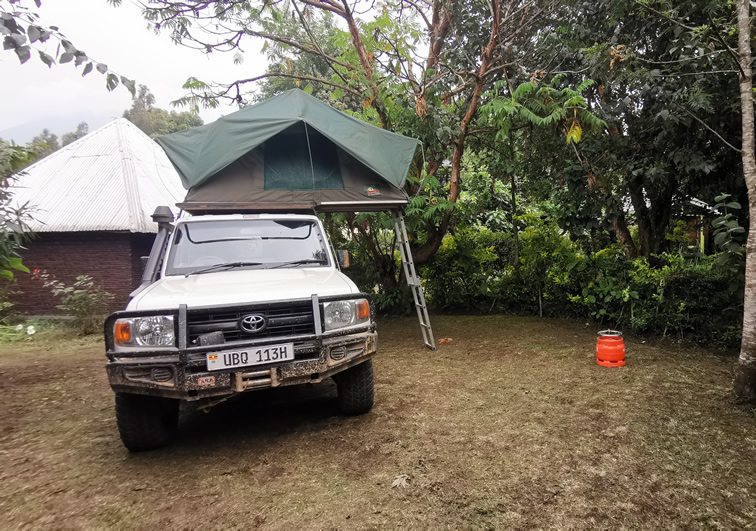
Camping safaris in Ruaha are a unique way to experience the park, bringing visitors closer to nature. Camping inside or near the park allows for a full immersive experience, with nights filled with sounds of wildlife and mornings waking up to birdsong. Campsites range from basic tent camping to luxury tented camps with modern facilities. Staying in the park gives visitors the advantage of starting game drives early and returning late, maximizing wildlife viewing opportunities. Campsites in Ruaha often have stunning views of the bush and river, creating a special connection with the wilderness. Camping safaris offer a sense of adventure and freedom, allowing visitors to enjoy nature fully. This activity combines the thrill of camping with the excitement of a safari, creating a truly memorable experience in one of Tanzania’s most wild and beautiful parks.
Accommodation in Ruaha
Inside Ruaha National Park
Lodges
- Ruaha River Lodge
- Mdonya Old River Camp
- Jabali Ridge Lodge
- Tanapu River Lodge
- Camps Bay Ruaha
Campsites
- Kigelia Ruaha Campground
- Mdonya Old River Camp Campsite
- Ruaha National Park Public Campsites
Outside Ruaha National Park
Lodges
- Songea Ruaha Lodge
- Ruhanza Lodge
- Ruaha Hilltop Lodge
Campsites
- Public Camping Areas Near the Park – Several community-run campsites outside Ruaha, offering budget-friendly stays and simple facilities.
- Private Campsites – Offered by lodges and tour operators, providing tent setups and sometimes safari packages.