Best Big5 Safari Masai Mara vs Serengeti- Comparison of Tanzania & Kenya on Self Drive

The Masai Mara in Kenya and the Serengeti in Tanzania are two of Africa’s most famous safari destinations, both celebrated for their incredible wildlife and breathtaking landscapes. Together, they form one vast ecosystem where animals roam freely across the borders, offering some of the best safari experiences in the world. Both parks are known for hosting the legendary Big Five lion, leopard, elephant, buffalo, and rhino along with countless other species. However, each park has its own charm and advantages.

The Serengeti is much larger, offering a greater sense of wilderness and space, while the Masai Mara provides denser wildlife concentrations and easier sightings due to its smaller size. Choosing between them depends on what kind of safari experience you want whether it’s witnessing the Great Migration, spotting predators in action, or enjoying year-round game viewing.

Self Drive East Africa has drafted this guide to help you select where to spend more time when it comes to self drive in Kenya & Tanzania while on Road trip Africa holiday with experts in Car rental business within Uganda, Kenya , Rwanda and Tanzania. East Africa Travel Guide to comparison explores which park truly offers the best Big Five safari.


Video Credit to Edward & Ssali ( Product Developer) in Rwenzori Mountains National Park on Self Drive Trip.

Wildlife watching in Rwanda

Masai Mara Overview Guide

The Masai Mara National Reserve is located in southwestern Kenya, bordering Tanzania’s Serengeti. It covers about 1,510 square kilometers much smaller than the Serengeti, but it is very rich in wildlife. The reserve is named after the local Maasai people and the Mara River that flows through it.
The Masai Mara is famous for its open plains, acacia trees, and large populations of big cats. It is one of the best places in Africa to see lions, cheetahs, and leopards.

Masai Mara National Reserve also plays a key role in the Great Migration, when millions of wildebeest and zebras cross the Mara River from July to October. Because of its smaller size, wildlife viewing is usually easier in the Masai Mara. You can cover more ground in a shorter time and see many animals in a single day.

Serengeti National Park Overview

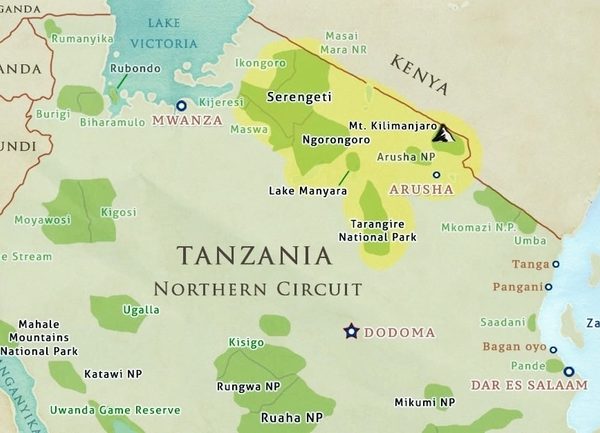
Serengeti National Park in northern Tanzania is one of the most famous wildlife parks in the world. It is much larger than the Masai Mara  covering about 14,750 square kilometers. The word “Serengeti” comes from the Maasai language and means “endless plains,” which perfectly describes its vast landscape.

The Serengeti is divided into four main regions:

The Serengeti offers more space and a wilder, less crowded safari experience but not to the extend of southern Tanzania. You can drive for hours and feel completely alone in nature while on Self drive holiday in Tanzania .

Northern Tanzania Self drive itineraries
Kenya Self drive

Seeing Big five in Masai Mara & Serengeti

The Masai Mara gives visitors an excellent chance to see four of the Big Five lions, leopards, elephants, and buffaloes very easily.

  • Lions: The Mara is one of the best places in the world to see lions. You can find large prides relaxing under trees or hunting on the open plains.
  • Leopards: Though leopards are shy, they are often seen in the Mara, especially around the Talek and Olare Orok rivers.
  • Elephants: Big herds of elephants roam freely through the park, often seen with young calves.
  • Buffaloes: African buffaloes are common and can be spotted grazing in herds almost everywhere.
  • Rhinos: The black rhino is the hardest of the Big Five to find in the Masai Mara. There are only a few left in the main reserve, but your best chance to see them is in the Mara Triangle section, near the Oloololo Escarpment.

If you are lucky, you can see all five animals in two or three days of game drives in the Masai Mara.

Seeing the Big Five in the Serengeti

The Serengeti also gives travelers an excellent opportunity to see the Big Five, but because the park is larger, sightings can take more time.

  • Lions: The Serengeti has more than 3,000 lions one of the highest numbers in Africa. You can see them almost everywhere, especially in the Central Serengeti.
  • Leopards: The Seronera Valley is one of the best places in Africa to spot leopards, often resting in trees.
  • Elephants: Big herds of elephants are found mainly in the north and western parts of the park.
  • Buffaloes: They are very common and found in almost every region of the park.
  • Rhinos: Rhinos are rare in the Serengeti, but a small population of black rhinos lives in the northern region and around Moru Kopjes.

Because of the park’s vast size, you might need more days to find all five animals. However, the reward is worth it the Serengeti offers a more natural and untouched safari experience.

The Wildebeest Migration in Kenya & Tanzania

The Great Migration is one of the most amazing wildlife events in the world. Over 1.5 million wildebeest, along with zebras and gazelles, move in a circular pattern between the Serengeti and Masai Mara following the rains and fresh grass. Check on Best time to visit Tanzania & Kenya.

In the Serengeti: The migration begins in the southern plains around Ndutu between December and March, when thousands of calves are born within a few weeks. This is known as the calving season and attracts many predators like lions, cheetahs, and hyenas looking for easy prey. By May and June, as the land dries up, the herds move west through the Western Corridor, where they must cross the crocodile-filled Grumeti River. By July, the animals continue north toward Kenya, following the rains and fresh grazing areas.

In the Masai Mara: Between July and October, the herds reach Kenya and cross the Mara River, one of the most dramatic and dangerous parts of the journey. Many wildebeest do not survive the crossings due to strong currents, steep banks, and attacks from large crocodiles. Those that make it safely continue to graze on the lush Mara plains before returning south to Tanzania around October and November as the rains begin again.

If seeing both the Great Migration and the Big Five is your goal, the Serengeti plains offers migration activity for a longer period of the year, while the Masai Mara provides the most thrilling and unforgettable river crossings making both parks perfect for a once-in-a-lifetime safari experience.

Note: There used to be Mara River border but it was closed and you can never access Serengeti Tanzania or Masai Mara Kenya via that border, Check on the border for your cross border rental in East Africa.

Hadzabe and Datoga
Lion Watching

Game Viewing in Masai Mara & Serengeti

In the Masai Mara, animals are easy to find because the park is smaller and wildlife is more concentrated. You can see lions, elephants, zebras, giraffes, and even leopards within a short distance. The open grasslands make it simple to spot animals, and game drives are often very rewarding. The Mara is also known for its private conservancies around the main reserve, where visitors can enjoy walking safaris and night drives that are not allowed in the main park.

In the Serengeti, the experience feels wilder and more adventurous. Serengeti National park is much larger, so you may drive longer before seeing animals, but the vast landscape gives a stronger sense of freedom and wilderness. Each region offers something different the central area for big cats, the south for calving season, and the north for the Great Migration crossings. Both parks offer unforgettable game viewing, but the Masai Mara is better for quick sightings, while the Serengeti offers a deeper, more natural safari adventure.

Cost & park Entrance fees for Masai Mara & Serengeti

Masai Mara

  • The Masai Mara is easier and faster to reach compared to the Serengeti. You can drive from Nairobi in about 5–6 hours or take a short flight of around 45 minutes. However, self-driving is not allowed inside the Masai Mara, so you must hire a local guide for game drives.
  • The park entrance fee is $200 per person per day, which is higher than in the Serengeti, but safaris can still be more convenient and accessible because of the shorter travel time and smaller park size.
  • Accommodation options range from budget campsites to luxury lodges, making it suitable for travelers who want an exciting safari experience without spending too many days traveling. The Masai Mara is best for travelers with limited time or smaller budgets who want a short, action-packed safari.

Serengeti

  • The Serengeti requires more travel time and planning. You can fly from Arusha or take a long drive through the Ngorongoro Conservation Area, which takes about 7–8 hours. Unlike the Mara, self-driving is allowed in the Serengeti, giving you more flexibility to explore at your own pace.
  • The park entrance fee is $83 per person per day, lower than the Masai Mara, but overall costs for transport and accommodation can be higher because of the park’s size and remote location. The Serengeti is best for travellers with more time and a higher budget who want a deeper, more immersive, and flexible safari experience.

Best time to visit Masai Mara & Serengeti National Parks

In the Masai Mara, the best time is between July and October, which is also when the Great Migration crosses the Mara River. This is an exciting time to see thousands of wildebeest and zebras facing crocodile attacks and predators waiting on the riverbanks. The dry weather also makes game drives easier and more comfortable. The green season, from November to May, is quieter and less crowded, with lush landscapes and many baby animals, but some roads may be muddy, making driving slower.

In the Serengeti, wildlife can be seen all year round, but different months highlight different experiences. From December to March, the southern plains of Ndutu are full of newborn wildebeest calves, attracting predators like lions and cheetahs. Between June and October, the herds move north and west, leading to dramatic river crossings and large gatherings of animals. November to May is the wet season, which offers fewer tourists, beautiful green scenery, and good birdwatching opportunities.

Accommodation Options

  1. Masai Mara (Kenya)
  • Budget / Campsites: Kambu Mara Camp, Enchoro Wildlife Camp, Dirisha Campsite
  • Mid‑Range Lodges: Keekorok Lodge, Mara Sopa Lodge, Basecamp Explorer
  • Luxury Lodges: Angama Mara, Sanctuary Olonana, Mahali Mzuri
  1. Serengeti (Tanzania)
  • Budget / Campsites: Kati Kati Tented Camp, Ikoma Tented Camp
  • Mid‑Range Lodges: Serengeti Serena Safari Lodge, Serengeti Sopa Lodge
  • Luxury Lodges: Singita Sasakwa Lodge, Four Seasons Safari Lodge Serengeti, Singita Sabora Tented Camp


How to reach the Two Parks

  1. Reaching Masai Mara

By Road: Masai Mara is about 5–6 hours’ drive from Nairobi. The main route goes through Narok town, then continues on rough roads into the park. Some roads inside the park are gravel or dirt, so a 4×4 vehicle is recommended, especially in the wet season. Travelers can also use shuttle services or tour vehicles from Nairobi, which follow the same route.

By Air: There are several small airstrips in Masai Mara, including Keekorok, Olkiombo, and Musiara. Light aircraft from Nairobi take about 45–50 minutes to reach the Mara. Daily scheduled flights are available, and many safari companies include flights in their packages. Flying saves time and avoids long road travel.

  1. Reaching Serengeti

By Road: Serengeti is accessed through its main gates, including Namiri Plains, Lobo, and Kogatende, depending on which part of the park you want to visit. Travelers coming from Nairobi or Arusha usually drive south through northern Tanzania. Roads include paved highways and gravel tracks inside the park, so a 4×4 vehicle is needed. Travel time from Arusha is 5–7 hours. Roads can become muddy and difficult during the wet season, so planning ahead is important.

By Air: Serengeti has several airstrips, including Seronera, Kogatende, Lobo, and Grumeti. Small charter planes fly from Arusha, Kilimanjaro Airport, or Masai Mara, taking about 45–60 minutes. Flying is faster and more comfortable, allowing travellers to reach the park without driving on rough roads. Luggage may be limited, so check the airline’s rules before booking.

  1. Reaching Between Masai Mara and Serengeti

By Road: To travel from Masai Mara to Serengeti by road, you drive south through the Isebania/Sirari border between Kenya and Tanzania. After crossing the border, continue through northern Tanzanian villages to reach Serengeti’s northern gates. The journey takes about 5–7 hours depending on road conditions and border formalities. A 4×4 vehicle is recommended, and documents like passport, visas, and vehicle permits are required.

By Air: Small charter planes can fly directly between Masai Mara and Serengeti airstrips, such as Keekorok to Seronera. Flights take about 45–60 minutes. This is the fastest way to travel between the parks. Flights offer scenic views but are more expensive than driving, and luggage is limited.


Conclusion

Both the Masai Mara and the Serengeti deliver exceptional Big Five experiences, with abundant wildlife and unforgettable encounters. Each park offers rich game viewing, breathtaking scenery, and the chance to witness Africa’s most iconic animals in their natural habitats. Whether on a short visit or a longer adventure, travellers can expect thrilling sightings, dramatic landscapes, and a classic safari atmosphere. Both destinations provide remarkable opportunities for photography, exploration, and close-up wildlife moments. No matter which you visit, a safari in these legendary ecosystems guarantees lasting memories, powerful experiences, and a deep appreciation for Africa’s incredible natural heritage.

Kenya + Tanzania Self drive itinerary

Wildlife watching in RwandaBook 14 Days Kenya & Tanzania Wildlife Safari to visit Masai Mara National Reserve and Serengeti National Park for big five watching experience on self drive holiday in East Africa.

Uganda + Kenya Self Drive Safari 

Chimp Trek

Book 20 Days Kenya + Uganda Safari to explore the big five in Kenya and enjoy primate trekking in Uganda’s National Parks of Bwindi Impenetrable National Park and Kibale.

Recommended 21 Days Kenya Tanzania Self Drive Experience ( Masai Mara & Serengeti Wildlife Tour )

Planning a solo adventure road trip within East Africa covering Kenya and Tanzania grants you a great opportunity to compare the Masai Mara and Serengeti National Park on classic East Africa Road trip itinerary based on physically confirmed arrangement with Self drive Uganda team that has explored the east African region in details.  Go Wild on Masai Mara & Serengeti combined safari holiday in Uganda registered jeep.

Day 1: Arrival – Nairobi to Meru

The Staff of Self Drive East Africa will be waiting for you at the arrivals terminal for the car handle over , briefing about information tips , guide about how to drive within Kenya while on Self drive tour.  After testing the Landcruiser 76 series as recommended as the most reliable jeep , you will start off the off road adventure to drive towards Meru National Park in Kenya which is mostly known for Mountaineering adventures within Kenya after Mount Kenya National Park . you will spend your night within Meru Campsites.

Day 2: Full Day game drive  in Meru National Park

After early morning breakfast prepared from your campsite , you will start on the self drive experience in Mount Meru National Park to search for wildlife animals and you will have to spot out for Greys zebras, elephants, and rhinos. Later in the evening return to the campsite to enjoy the sunset view of Mount Meru National Park.  Dinner and overnight at Campsite

Day 3: Drive from Meru national park to Samburu national reserve

Since the adventure is privately guided adventure you will set off at your own time and start to drive to Samburu National Reserve which is the prefect hidden gem for Kenya when it comes to watching the big five. Make your way north to Samburu.  If time allows, then head for the evening game drive for classic sunset watching in Samburu National Reserve; Dinner and overnight at Campsite.

Day 4: Game drive in Samburu National Reserve

You will go for sunrise game drive in the best kenya National Park of Samburu game reserve where you will spot African gerenuk and Somali ostrich sightings are possible during the full day game drive. Overnight in Samburu.

Day 5: Samburu – Ol Pejeta Conservancy

Visit the Ol Pejeta Conservancy on a morning drive. Drive in the afternoon for game drive in the evening. Overnight in Ol Pejeta.
Day 6: Full Day in Ol Pejeta

Discover the Big Five—rhinos, chimpanzees, and the rest—in the conservancy. Overnight in Ol Pejeta.
Day 7: Ol Pejeta – Lake Nakuru (Optional Boat Cruise $150)

Go for a boat cruise at Lake Nakuru at an extra 150$ with a chance to see several bird species and various animals on the shores of the lake. overnight in Lake Nakuru.
Day 8: Nakuru – Masai Mara

Stop at the world-renowned Masai Mara National Reserve on your way. head for an evening game drive within the park. overnight within Masai Mara.
Day 9: Full Day in Masai Mara

Enjoy morning and afternoon game drives with a chance to witness the great migration of wildebeest depending on your travel time. Overnight in Masai Mara.
Day 10: Masai Mara (Optional Masai Cultural Visit $50 & Hot Air Balloon $450)

A hot air balloon safari in the early morning ($450) with a champagne breakfast to follow. Culture Tour of the Masai People ($50). Overnight in Masai Mara.
Day 11: Masai Mara – Serengeti (Tanzania)

Enter Serengeti National Park in Tanzania. proceed for the evening game drive in the plains of Serengeti. Overnight in Serengeti.
Day 12–14: Serengeti National Park

Explore the expansive plains of Serengeti over the course of three days. Occasionally, you may be able to see the Great Migration while on a game drive. Overnight in Serengeti each night.
Day 15: Serengeti – Karatu

Morning game drive in Serengeti. and transfer to karatu where you will be spending the night as you prepare to visit Tangire the following day.
Day 16: Karatu – Tarangire National Park

Travel to Tarangire in the morning; it’s renowned for its baobab trees and elephants. Head for the afternoon game drive with a chance to encounter tree climbing lions on top of the elephants. Overnight in Tarangire.
Day 17: Full Day in Tarangire (Optional Hadzabe Tribe Visit $50)

Morning and afternoon game drives. Optional Hadzabe Tribe visit ($50). Overnight in Tarangire or near lake Eyasi.
Day 18: Tarangire – Amboseli National Park (Kenya)

after your breakfast, drive to Amboseli national park near Kenya Tanzania border of Namanga for an overnight stay.
Day 19: Full day game drive at Amboseli National Park

a full day game drive at the backdrop of Kilimanjaro mountain, the tallest mountain on the African continent will be high reward. Overnight in Amboseli national park
Day 20: Amboseli – Nairobi

Drive to Nairobi after the morning game drive where you will be ending your safari the following day. overnight in Nairobi
Day 21: transfer to the airport

the last day of this great adventure will lead you to Nairobi airport where you will be ending you trip from and that will mark the end of this great adventure

Car Rental East Africa

Long term car hire in Uganda? Self Drive East Africa offers discounted Car rental on long term rental or one way car rental to explore Uganda national parks and game reserves on one month self drive Uganda Safari tour . Get the best advise , tips and accommodation bookings for your self drive adventure in East Africa.  See the Mountain Gorillas,  wildlife & Big five animals.